Homes across Central were built with panels sized for a much smaller load than what runs through them today, and homeowners notice it in breakers that will not reset and rooms with too few outlets. The electrical contractor in Baton Rouge network supports local electricians here, alongside expert electrical panel upgrade work when a house has outgrown its service.
That mismatch between old capacity and new demand is exactly why homeowners in Central call an electrician who already knows these houses.
Why Local Knowledge Changes Electrical Work in Central
A local electrician working around Central knows how these houses were laid out, where the panel usually sits, and what tends to be behind the wall before a single tool comes out. That knowledge shortens the job and avoids surprises.
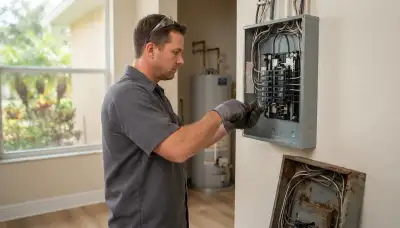
Most calls involve either upgrading a panel that has run out of room or correcting circuits that were never split for how the kitchen or bathroom is used now. Homeowners nearby also reach out through electrical contractor in Zachary, LA when their houses share the same wiring habits.
A warm outlet or a breaker that will not hold should get looked at before it becomes a bigger repair.
Matching the Work to How Central Homes Are Built
A generic approach does not hold up here because the path from the panel to a new outlet depends on what is under the floor and how the walls were framed, not on a standard checklist.
Some houses sit over a crawlspace, which keeps a new circuit run to a morning of work, while others sit slab on grade, which means opening a wall or ceiling instead. Homeowners with detached garages or workshops often add reliable outdoor lighting installation once they see how much a long outdoor run changes.
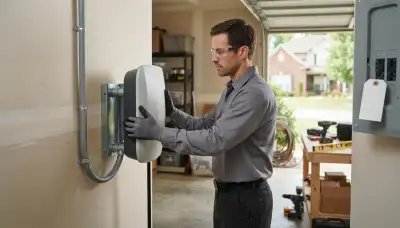
A well matched job might include quality electrical panel installation, professional GFCI circuit installation, specialists in generator installation, and expert ceiling fan installation, each chosen for how the house is actually built rather than a one size fits all list.
When Central Homes Were Built Still Shapes the Work
If your home was built in the fifties or sixties, or if the panel still uses fuses instead of breakers, that history explains a lot of what shows up today. Panels from that period were sized for lighting and a few small appliances, not central air, a range, and modern kitchen equipment. Three things follow: too few circuits, no room left in the panel, and wiring that was never meant to carry what it carries now.
Panel Has No Room Left
Homeowners open the panel looking for an empty slot and find none, or find a fuse box instead of breakers. This is common in a house wired for a much smaller electrical load, and it means anything new gets added by doubling up a circuit that is already working hard.
Local electricians correct this by installing a panel sized for how the house is used now, which clears the way for future work. Homeowners near electrical contractor in Baker, LA run into the same fix.
Two-Prong Outlets With No Ground
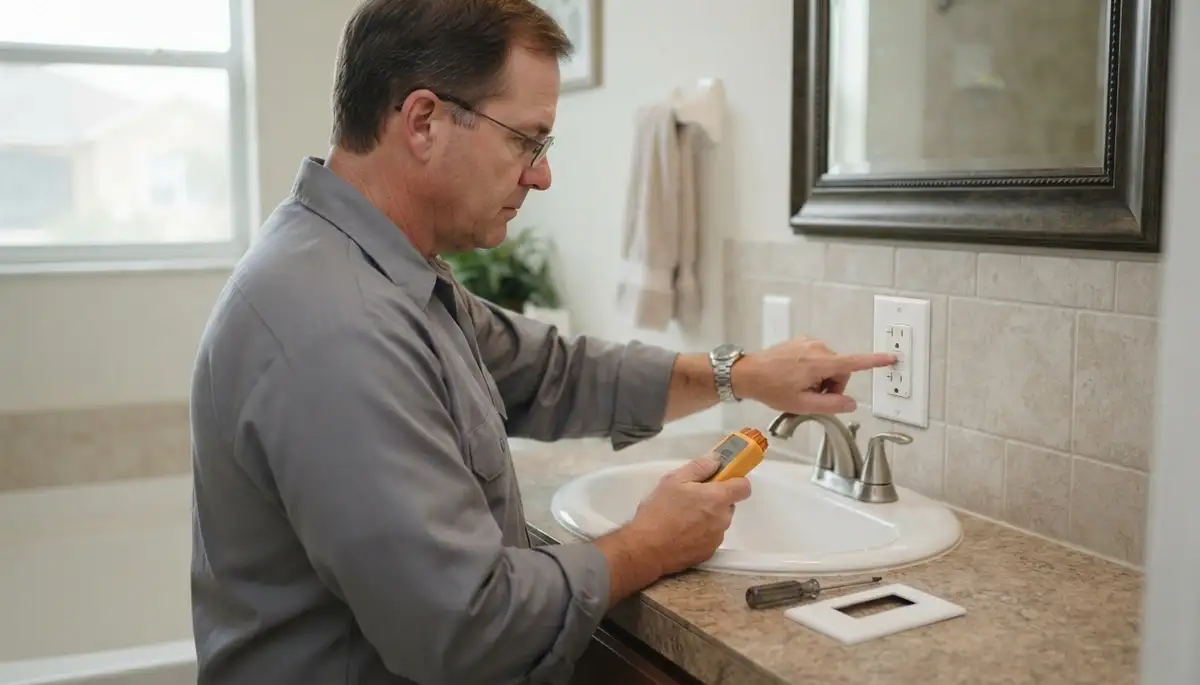
Outlets that only accept two prongs, or that have no reset button near the kitchen sink or bathroom, point to wiring installed before grounding and GFCI protection were standard practice. Left alone, this leaves appliances and people without the protection modern circuits are built to provide.
The fix runs a proper ground path and installs the outlets with test and reset buttons where water is nearby, bringing the circuit up to what a modern kitchen or bathroom actually needs to run safely.
Warm Outlets and Flickering Lights
Outlets that feel warm to the touch, or lights that dim when something else switches on, often trace back to aluminum wiring or connections that have loosened with age. Left alone, that heat at the connection point can no longer be trusted to carry a full load safely.
Correcting it means addressing the connections directly, which stops the flickering and removes the heat buildup that was quietly stressing the circuit every time it was used.
Added Loads the Panel Was Never Sized For
A car charger, a pool pump, or a new air conditioning system asks more of a panel that was already working near its limit, and hot weather only pushes that demand higher when everything runs at once. The result is a service that trips more often than it should.
Adding capacity means installing a panel or subpanel sized for what the house runs today, so a homeowner can charge a car, run the pool pump, and keep the air conditioning going without watching the breaker box.
Tight Access Complicates the Job
A panel tucked in a garage corner or an exterior wall with a narrow approach can complicate what should be a simple upgrade, especially when equipment has to be carried through a tight side yard or a long driveway.
Local electricians plan the route before the work starts, using the access points already built into the house so the job gets done without cutting into more wall or ceiling than the work actually requires.
A no-pressure visit is the easiest way to know what a Central home actually needs. Call (225) 503-2021 to get a look before a small issue grows into a bigger one.
On Call Electrical brings steady, dependable work to every visit across Central.

Full Electrical Services Available in Central, LA
The list below covers the range of work available, from urgent repairs to planned upgrades, so a homeowner can find what matches his situation.
Urgent Electrical Repair in Central, LA
- A breaker that will not reset no matter how many times it is flipped
- An outlet that is warm to the touch near the kitchen or laundry area
- Lights that flicker or dim whenever the air conditioning kicks on
- A fuse box that still runs the whole house instead of modern breakers
- Sparking or a burning smell coming from a switch or outlet
Any of these is worth a same-visit look rather than waiting for it to happen again.
Panel and Wiring Upgrades in Central, LA
- Replacing a fuse box with a modern breaker panel
- Upgrading service size to match current household demand
- Rewiring rooms that still run on outdated circuits
- Adding circuits for a kitchen or laundry room that trips often
- Running new wiring for an addition or a finished garage
These jobs address the gap between what a house was originally wired for and what it is actually asked to run today, closing that gap for good.
Safety and Protection Work in Central, LA
- Installing the outlets with test and reset buttons near sinks and wet areas
- Adding whole home surge protection ahead of a lightning strike
- Installing smoke detectors that meet current safety expectations
- Correcting two-prong outlets that have no ground path
- Installing the newer breakers that catch arcing before it becomes a fire
Each of these addresses a risk a homeowner can picture clearly: a shock near the sink, a fire starting behind a wall, a surge frying an appliance during a storm. Closing these gaps is often the most overlooked part of an older home's electrical system.
Lighting, Outdoor, and Added-Load Work in Central, LA
- Installing yard and landscape lighting along walkways and driveways
- Wiring a pool pump or pool light circuit
- Adding a circuit for a car charger in the garage
- Installing recessed lighting in a remodeled kitchen or living room
- Running power to a shed or detached workshop
These jobs reflect what a modern household now expects from a home built decades ago, and each one is matched to how the property is laid out rather than a generic template.